November 2021
15 posts
Why are German numbers backwards?
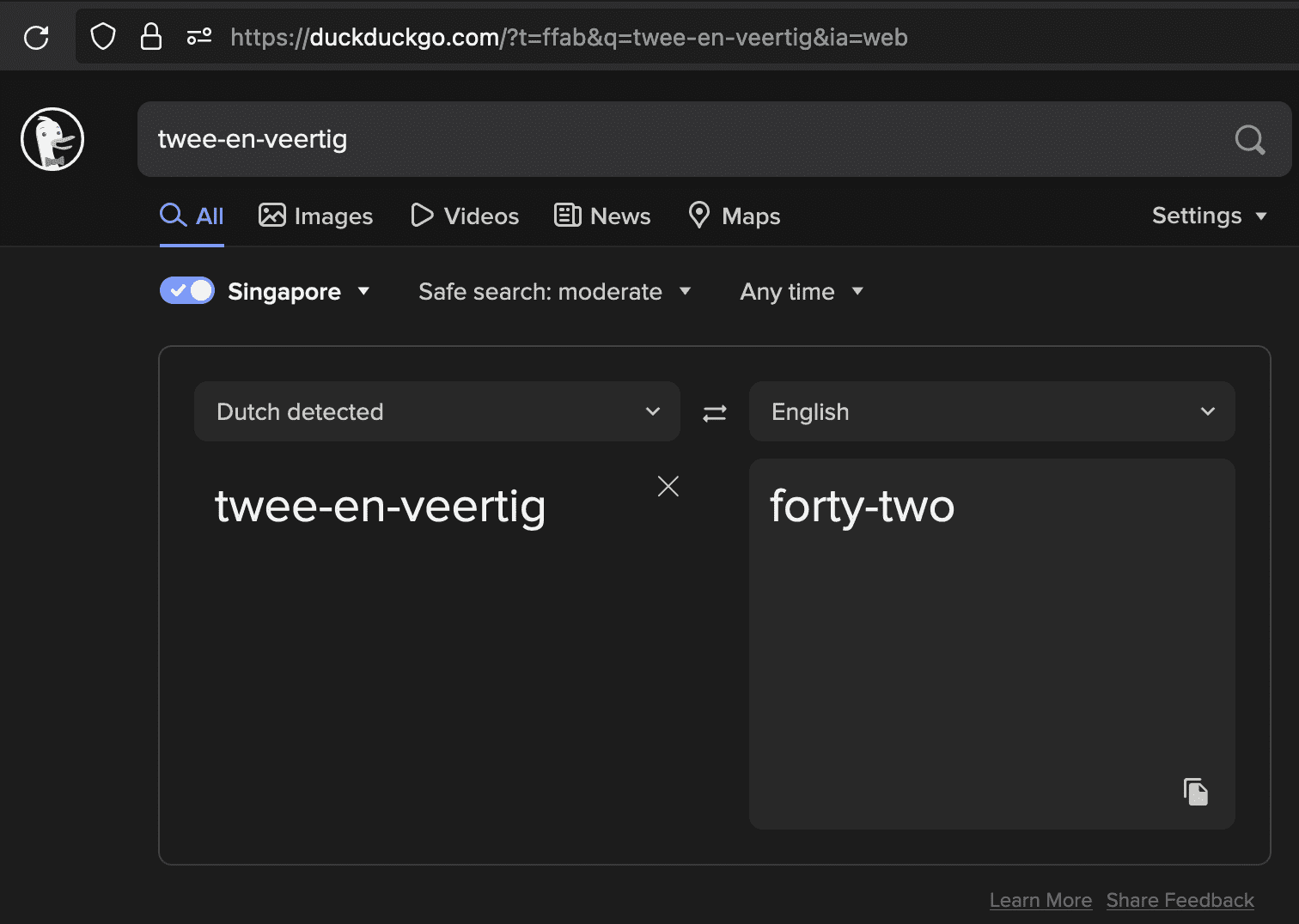
My German is relatively basic, but this is true for Dutch as well. 42 is pronounced twee-en-veertig ("two and forty").
Spoken language was in existence before written language. Many numerals existing today were created long before reading was practised, so if there is any direction in a language at all, German does not "read" "backwards", it speaks "backwards".
But then, very likely numerals are not named with regard to direction at all, but for the logic behind counting. In Breton, the number eighteen has the name tri-ouch "three (times) six" – I cannot discern any direction in this numeral. In Finnish, eighteen is called kah-deksan-toista "two (from) ten (in the) second (ten)". The logic seems to be to view the decades and then say how far into which decade we are. Again, there is no reading direction implied in the number name. Similar to this Finnish logic, Old Norse used a counting system not based on tens, but on dozens and multiples of the divisors of twelve (e.g. 60 = "Schock" in German). "364 days" in Old Norse is fiora dagar ens fiortha hundraths "four days into the fourth hundred (= 120)". (Please note that "hundred" once meant 120.) I don't claim to understand the logic behind "einundzwanzig", but the question might be to understand the thinking behind numerals and find out about historic counting systems, not about reading direction.
Omicron
[...]
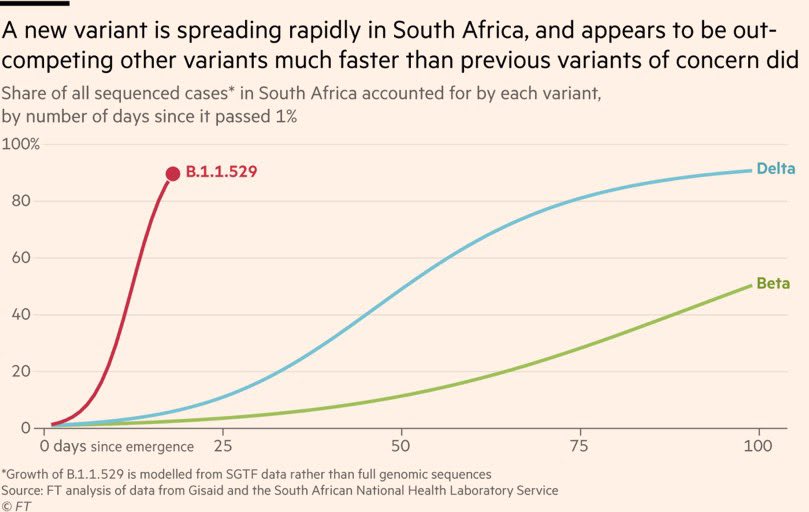
Even if you did succeed, what then? How long are you going to keep your borders closed? A restriction to a few countries might help the first week, but within a month it won’t even much matter, because there’s too much spread elsewhere. It’s not like a variant worse than Delta is going to go away any time soon, so you’re stuck in a permanent state that in most places both can’t be created and can’t be sustained if you did create it.
Airtags, DHL and North Korea
Fun project, and crappy customer service from DHL.

The World's Deadliest Thing
Around 1895, whilst investigating the case of a group of musicians who had died after eating cooked ham, a Belgian scientist called Emile van Ermengem identified the bacteria at the heart of Kerber’s sausage poisonings, a disease that had been coined Botulism, after bolutus, the Latin for sausage. Later work showed that these bacteria, which Van Ermengem named Clostridium Botulinum, would only grow under certain conditions. The inside of a piece of badly stored, processed meat was ideal, but when conditions changed, the bacteria would shut down, forming highly resistant spores and remaining in that form until conditions were right again for growth.
Octopuses, crabs and lobsters to be recognised as sentient beings
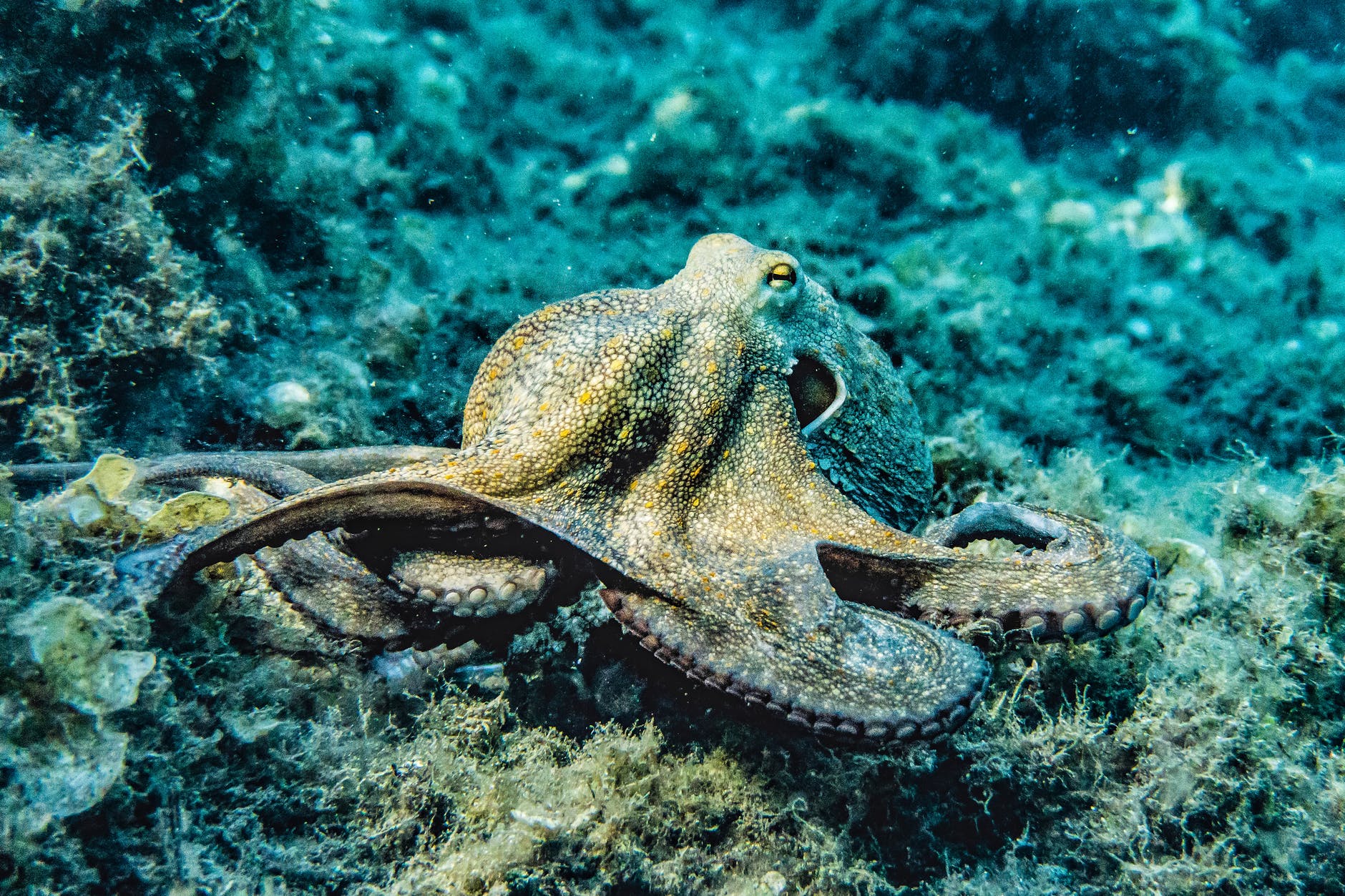
Octopuses, crabs and lobsters will receive greater welfare protection in UK law following an LSE report which demonstrates that there is strong scientific evidence that these animals have the capacity to experience pain, distress or harm.
by LSE
The UK government has today confirmed that the scope of the Animal Welfare (Sentience) Bill will be extended to all decapod crustaceans and cephalopod molluscs.
More like this, please.
I believe the EU (or some members of) already had similar laws. I am not sure if they go as far, though.

Xiaomi Phone Shipped With Censorship List
This summer, the Lithuanian government went public with an astounding finding. A Xiaomi phone sold in Europe — the Mi 10T 5G — could censor approximately 450 words and phrases, it said. The blocklist wasn’t active, but could be activated remotely. It was filled with political terms, including “Democratic Movement” and “Long live Taiwan’s independence.”
[...]
The accusations, which Xiaomi disputes, clarified just how fraught the West’s relationship is with China’s growing technology power. As China-based tech companies like Xiaomi and TikTok flourish, there’s still no playbook in North America or Europe to deal with their potential to censor or steer culture via algorithms.
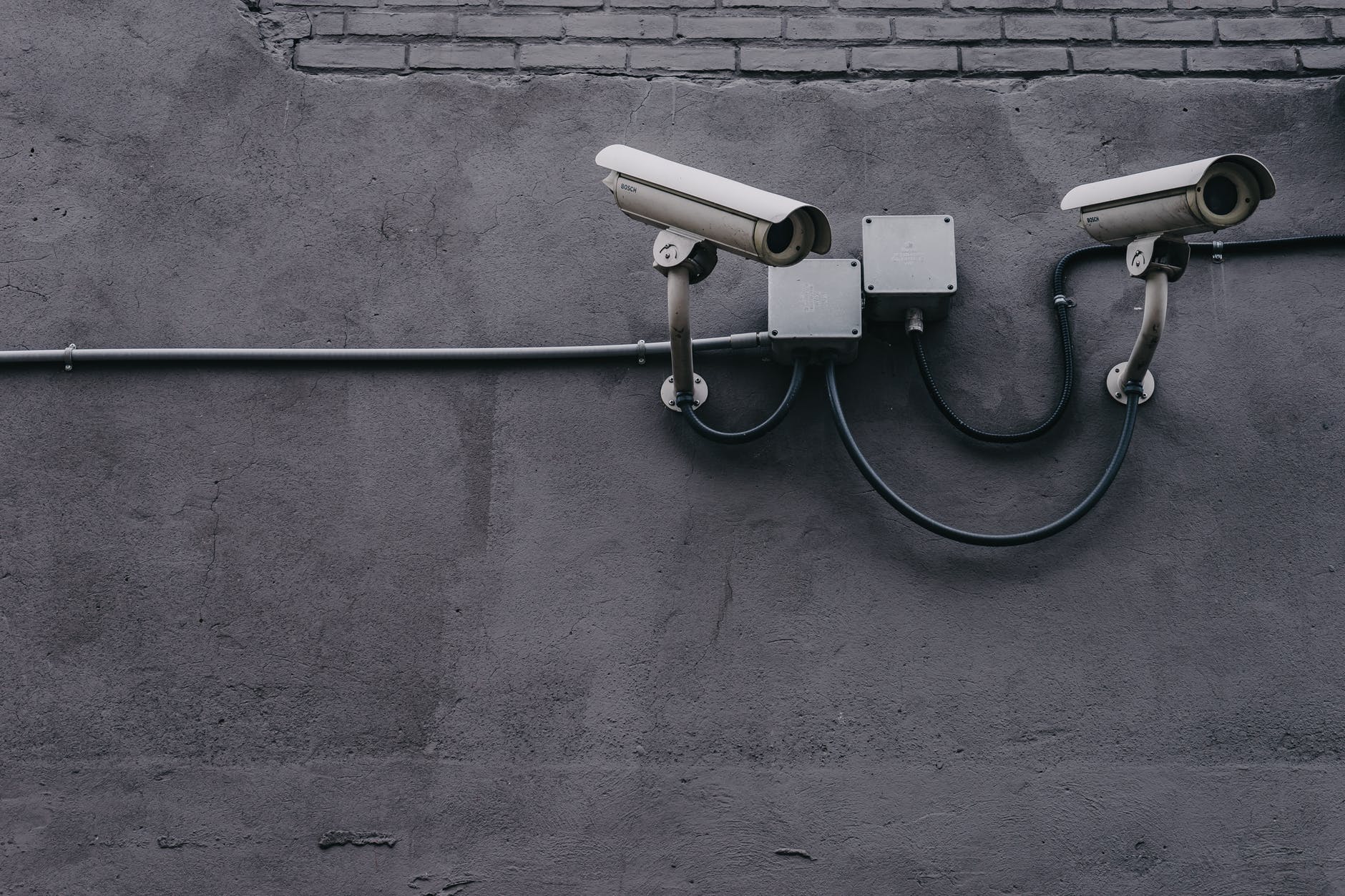
Singapore’s tech-utopia dream is turning into a surveillance state nightmare
[...]
[migrant workers] labor and their identities are clearly commodified, something which is, at times, heartbreakingly visible. In a country that’s notoriously obsessed with safety, where jaywalking and failing to wear a seatbelt can be punished with jail time, migrant workers can be transported on the expressways in the back of goods vehicles. Calls for change after a series of fatal accidents this year were rejected, on the grounds it would be too expensive for their employers.
#PGHomeStories | Yeri Tiete & Shan Wong's Home Refinancing Journey
Shan and I recorded this a few months ago for PropertyGuru. Didn't know it was also on YouTube (they were mostly using it in ads and on facebook/Instagram). Keeping it here as archive. :)