#Europe

63 posts tagged Europe

The Future of the European Union

· misc

[...]

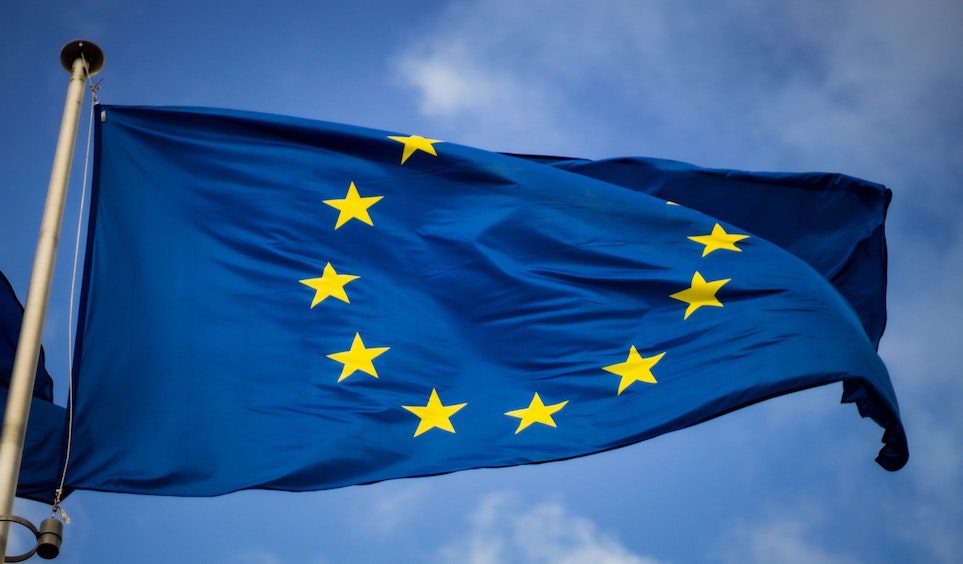
Europe has a shared past that dates back 2,000 years. Its influences have been the same, from Greek culture to Roman culture, the Church, the Middle Ages, the Enlightenment, the emergence of Nation-States, the colonial period, the world wars… Despite recent immigration, its countries are racially and culturally similar, as Europeans quickly discover in their Erasmus student exchanges. It isn’t united in diversity6. It’s united in values.

As long as it focuses on its differences, each country’s sovereignty will prevail. And the more sovereignty stands at the country level, the less power the Union has. Until European citizens realize that their nationalism weakens the European Union, the region will be weak.
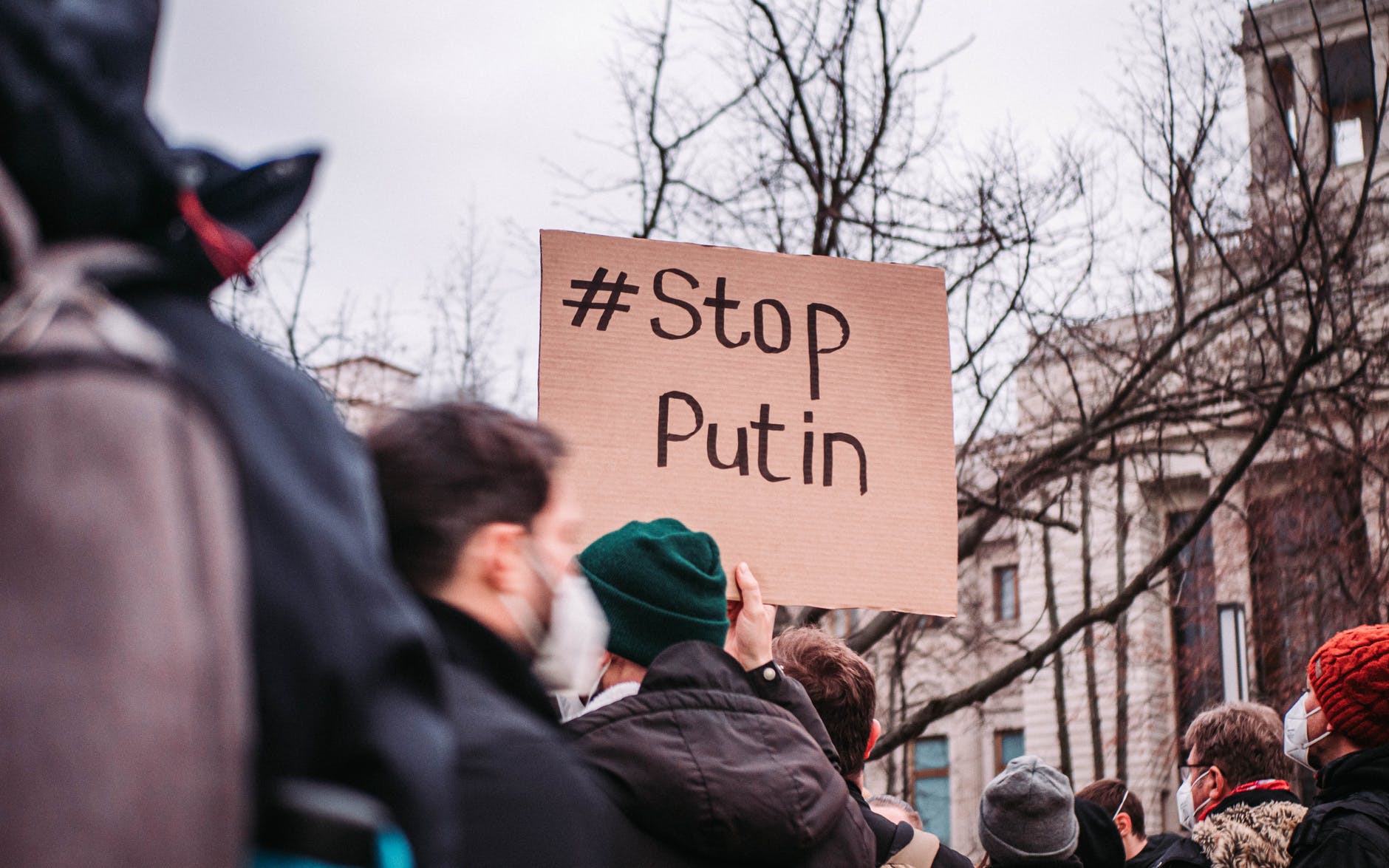
What Putin Fears Most

· misc

"When NATO announced in 2002 its plan for a major wave of expansion that would include three former Soviet republics—Estonia, Latvia, and Lithuania—Putin barely reacted. He certainly did not threaten to invade any of the countries to keep them out of NATO. Asked specifically in late 2001 whether he opposed the Baltic states’ membership in NATO, he stated, “We, of course, are not in a position to tell people what to do. We cannot forbid people to make certain choices if they want to increase the security of their nations in a particular way."

Sony stops DNS resolvers

· networking, software

The Hamburg Regional Court today ruled that they would not suspend an existing injunction against Quad9 in a case filed by Sony Music Germany. The case centers around Sony Music’s demand that Quad9’s servers located in Germany stop resolving DNS names of third-party sites which are claimed to have URLs that contain copyright infringements.

Source.

Unbelievable.

Also note "claimed to have". Not proven to have.

Knowing that Sony has not been very good at actually identifying copyrighted content, and they just throw stuff around to see what sticks.

Why are German numbers backwards?

· misc

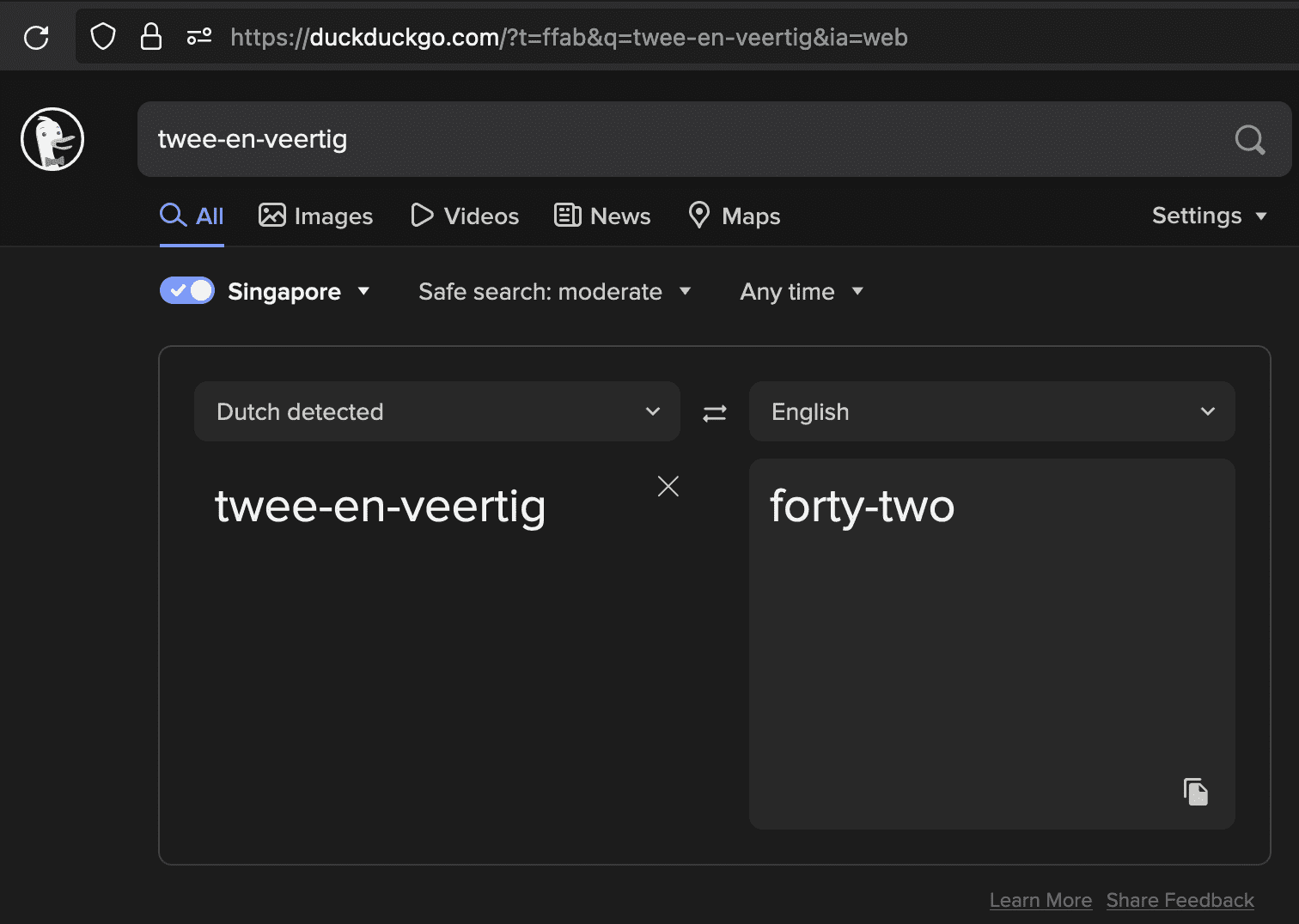
My German is relatively basic, but this is true for Dutch as well. 42 is pronounced twee-en-veertig ("two and forty").

Spoken language was in existence before written language. Many numerals existing today were created long before reading was practised, so if there is any direction in a language at all, German does not "read" "backwards", it speaks "backwards".

But then, very likely numerals are not named with regard to direction at all, but for the logic behind counting. In Breton, the number eighteen has the name tri-ouch "three (times) six" – I cannot discern any direction in this numeral. In Finnish, eighteen is called kah-deksan-toista "two (from) ten (in the) second (ten)". The logic seems to be to view the decades and then say how far into which decade we are. Again, there is no reading direction implied in the number name. Similar to this Finnish logic, Old Norse used a counting system not based on tens, but on dozens and multiples of the divisors of twelve (e.g. 60 = "Schock" in German). "364 days" in Old Norse is fiora dagar ens fiortha hundraths "four days into the fourth hundred (= 120)". (Please note that "hundred" once meant 120.) I don't claim to understand the logic behind "einundzwanzig", but the question might be to understand the thinking behind numerals and find out about historic counting systems, not about reading direction.

Octopuses, crabs and lobsters to be recognised as sentient beings

· misc

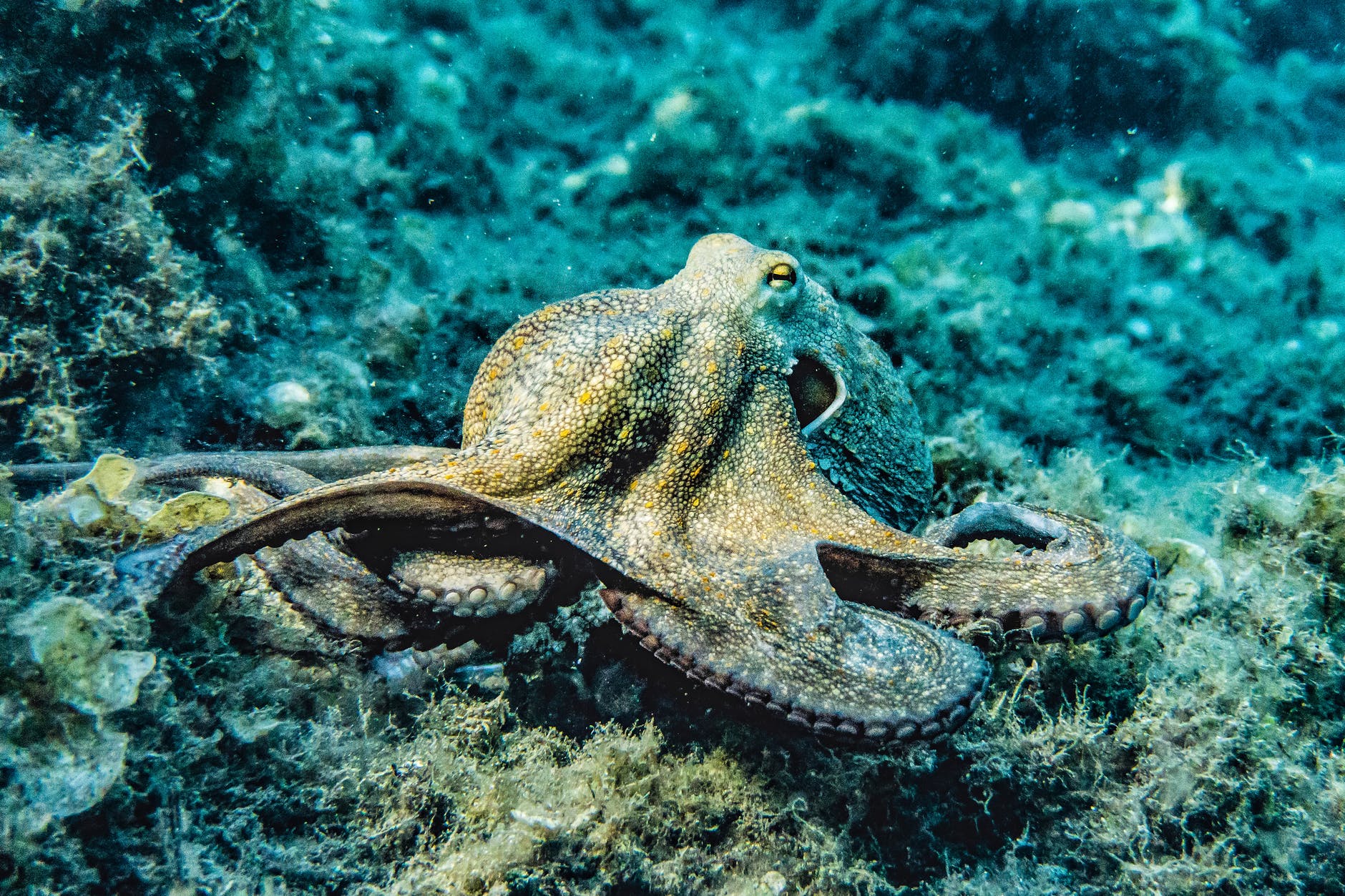
Octopuses, crabs and lobsters will receive greater welfare protection in UK law following an LSE report which demonstrates that there is strong scientific evidence that these animals have the capacity to experience pain, distress or harm.

The UK government has today confirmed that the scope of the Animal Welfare (Sentience) Bill will be extended to all decapod crustaceans and cephalopod molluscs.

by LSE

More like this, please.

I believe the EU (or some members of) already had similar laws. I am not sure if they go as far, though.