Trash Train
Source: Hackaday
9 posts tagged Germany
Source: Hackaday
I specifically disagree with his stance on free speech, because I think that it depends on your interpretation of what free speech means. If you allow the most intolerant voices to be as loud as they want to, you’re going to shut down voices of different opinions as well. So allowing free speech by just allowing all speech is not actually leading to free speech, it just leads to a cesspit of hate.
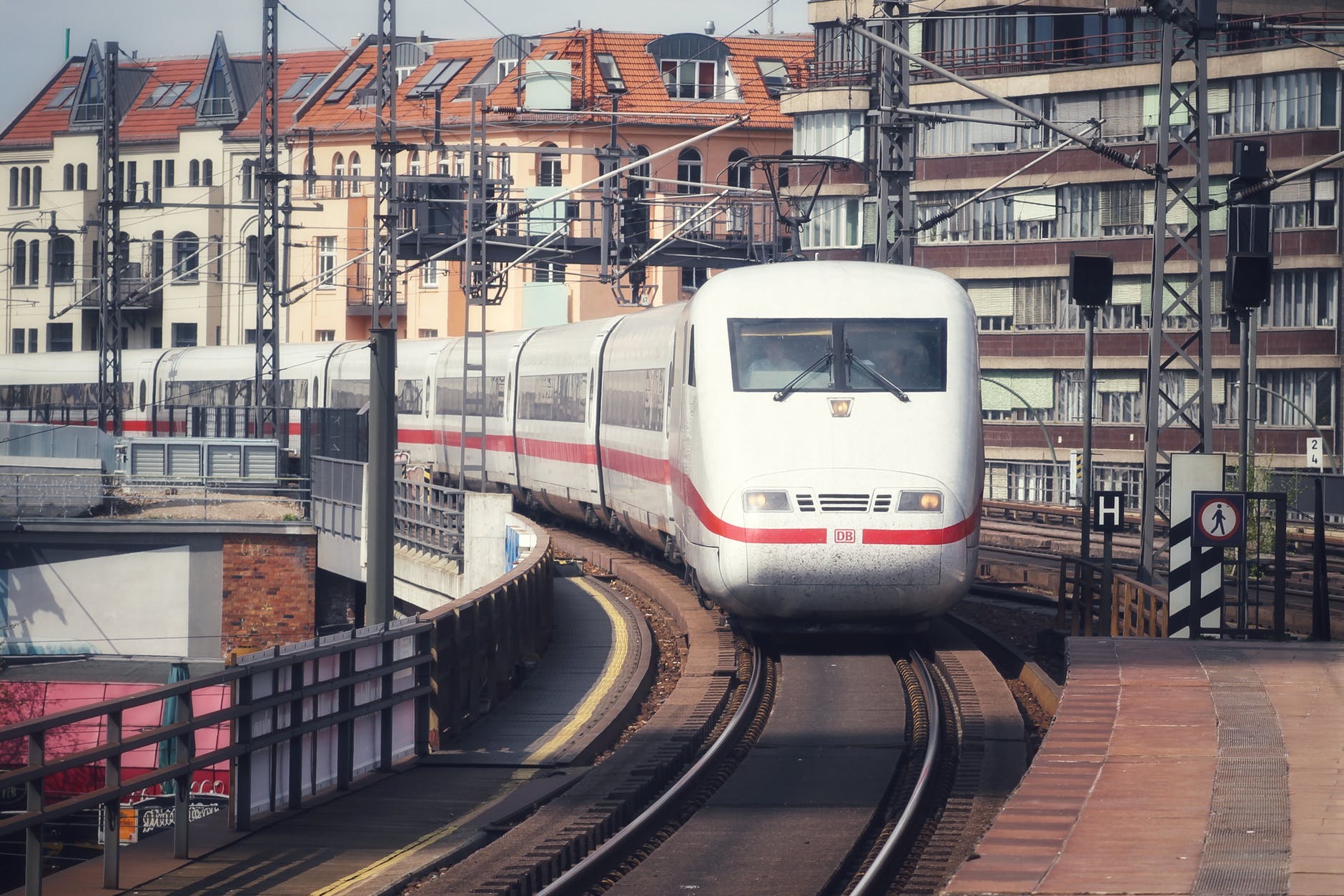
DB joins Star Alliance. Wonderful news.
Just like Air France-KLM is already offering Thalys tickets for some of its flights from Brussels: instead of departing from BRU airport to AMS or CDG; just take a train from Brussels South.
It looks like Lufthansa, and soon all of Star Alliance, will offer more comprehensive (long-haul) tickets including a train ride to or from your final destination.
Can only applaud this: planes are here to stay; but I’d 100% prefer to take the train (at least a high-speed one like Thalys, Eurostar or the Shinkansen) over a small CRJ9, A220 or other sardine cans for my layover flight (BRU doesn’t have a lot of decent direct connections to Asia). These inter-city flights (short distance, frequent take-off and landing) heavily contributing to noise and environmental pollution.
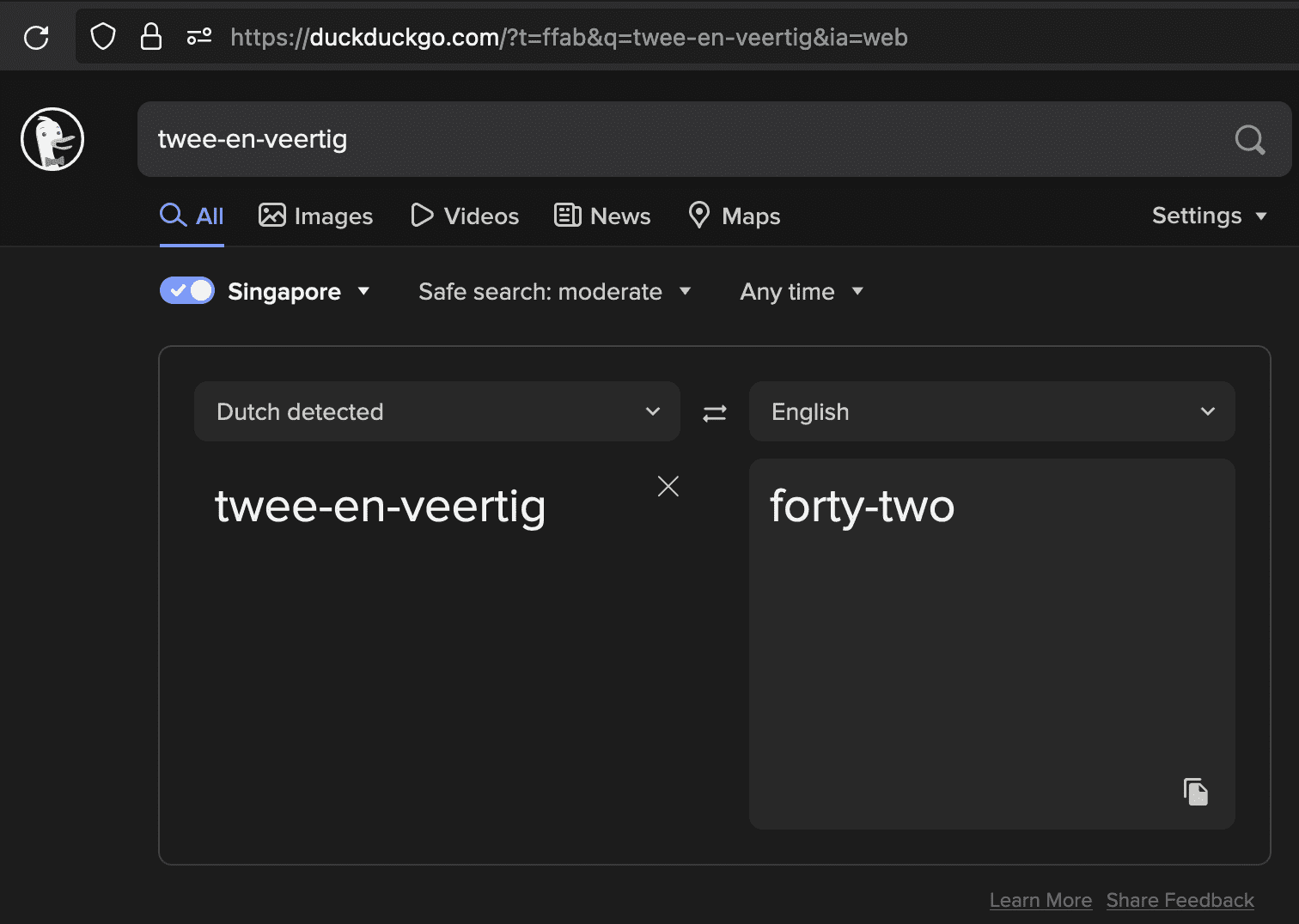
My German is relatively basic, but this is true for Dutch as well. 42 is pronounced twee-en-veertig ("two and forty").
Spoken language was in existence before written language. Many numerals existing today were created long before reading was practised, so if there is any direction in a language at all, German does not "read" "backwards", it speaks "backwards".
But then, very likely numerals are not named with regard to direction at all, but for the logic behind counting. In Breton, the number eighteen has the name tri-ouch "three (times) six" – I cannot discern any direction in this numeral. In Finnish, eighteen is called kah-deksan-toista "two (from) ten (in the) second (ten)". The logic seems to be to view the decades and then say how far into which decade we are. Again, there is no reading direction implied in the number name. Similar to this Finnish logic, Old Norse used a counting system not based on tens, but on dozens and multiples of the divisors of twelve (e.g. 60 = "Schock" in German). "364 days" in Old Norse is fiora dagar ens fiortha hundraths "four days into the fourth hundred (= 120)". (Please note that "hundred" once meant 120.) I don't claim to understand the logic behind "einundzwanzig", but the question might be to understand the thinking behind numerals and find out about historic counting systems, not about reading direction.
Fun project, and crappy customer service from DHL.